Singapore’s automotive landscape is undergoing a significant transformation, signaling a powerful shift towards electric mobility. In a noteworthy development, Chinese electric vehicle (EV) manufacturer BYD has emerged as the top-selling car brand in the city-state for the first four months of 2025. This unprecedented achievement marks the end of Toyota’s long-standing dominance and underscores the rapidly growing appeal of electric vehicles among Singaporean consumers.
Adding another layer to this electrifying trend is the recent announcement by Grab, a leading ride-hailing platform in Southeast Asia, to significantly expand its EV fleet through a strategic partnership with BYD. This collaboration, revealed in January 2025, will see Grab deploying up to 50,000 BYD electric vehicles across six Southeast Asian countries, including Singapore. This move underscores the increasing commitment to sustainable transportation within the ride-hailing sector and further solidifies BYD’s growing presence in the region.

The ascent of BYD in Singapore’s consumer car market is a compelling narrative of strategic market entry and a keen understanding of evolving consumer preferences. While the brand had a modest presence in Singapore initially, selling only three cars in 2020, its growth trajectory has been nothing short of exponential. By the following year, sales had soared to 6,191, and in the first four months of 2025 alone, BYD registered an impressive 3,002 vehicles, capturing a significant 20% share of the total car market. This remarkable surge not only positions BYD ahead of established giants like Toyota, which recorded 2,050 registrations during the same period, but also far surpasses Tesla’s 535 units, highlighting BYD’s strong market penetration.
Several key factors have contributed to BYD’s remarkable success in Singapore:
- A Strategic Focus on Overseas Markets: Recognizing the intense competition within China’s domestic EV market, BYD strategically prioritized expansion into overseas markets, with Singapore proving to be a particularly receptive environment.
- Competitive Pricing and Value Proposition: BYD’s electric vehicles are often priced competitively, offering a compelling alternative to traditional internal combustion engine (ICE) vehicles without compromising on features or quality. This affordability, coupled with the long-term cost savings associated with EV ownership (such as lower fuel and maintenance costs), resonates strongly with Singaporean buyers.
- Shifting Perceptions of Chinese Automotive Technology: Years ago, consumers might have been hesitant about Chinese automotive brands. However, BYD’s technological advancements and commitment to quality are gradually dispelling these reservations, fostering greater trust and acceptance among Singaporean drivers. The increasing visibility of BYD’s electric buses in Singapore’s public transport system has likely also contributed to this growing familiarity and positive perception.
- Effective Marketing and Enhanced Accessibility: BYD has strategically established showrooms in accessible locations and implemented effective marketing campaigns to reach potential customers. This increased visibility and ease of access have undoubtedly played a role in driving sales.
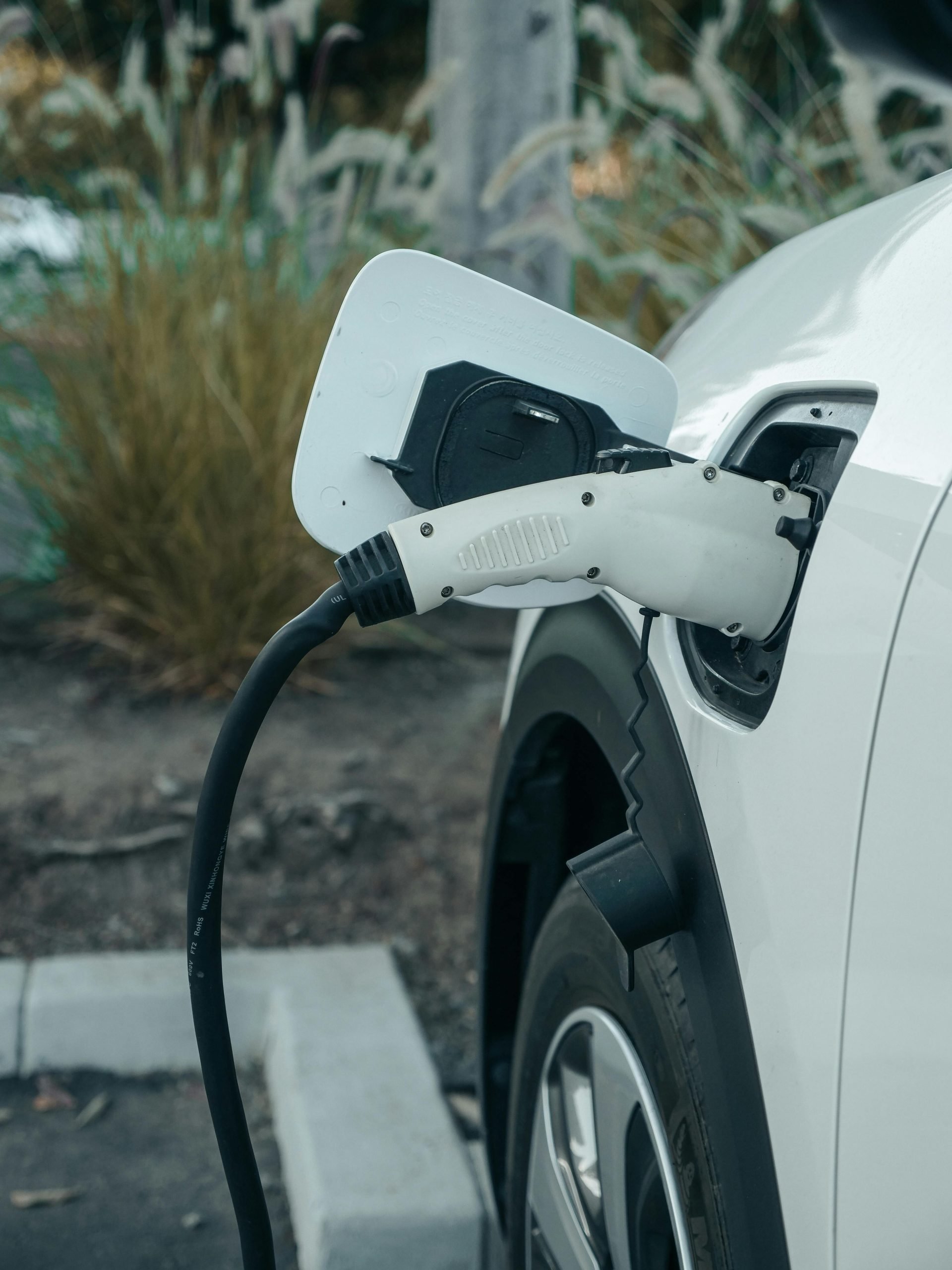
- Government Incentives and Developing EV Infrastructure: The Singaporean government’s proactive stance in promoting electric vehicle adoption through various incentives, coupled with ongoing efforts to expand the nation’s EV charging infrastructure, has created a favorable environment for EV manufacturers like BYD. These policies reduce the overall cost of EV ownership and alleviate range anxiety, making electric cars a more viable option for a wider range of consumers.
The partnership between Grab and BYD further amplifies the significance of BYD’s presence in Singapore and the broader region. Grab’s commitment to integrating up to 50,000 BYD EVs into its fleet across Southeast Asia signals a large-scale move towards electrifying ride-hailing services. This initiative aims to lower the financial barriers for drivers transitioning to EVs by offering competitive leasing or financing rates and extended battery warranties. Moreover, the collaboration includes integrating Grab’s app into BYD vehicles for a more seamless driver experience and leveraging vehicle data to optimize ride allocation and enhance safety. In Singapore, this will mean an increasing number of BYD EVs available for ride-hailing, contributing to the nation’s sustainability goals and providing commuters with more eco-friendly transportation options.
While factors such as the potential resale value of EVs compared to traditional cars remain a consideration for some buyers, the overall momentum clearly favours electric mobility. BYD’s achievement in becoming the top-selling car brand in Singapore, coupled with its significant partnership with Grab, underscores a pivotal moment in the country’s automotive history. It signifies a broader acceptance of electric vehicles and a willingness among Singaporean consumers and major transportation players to embrace innovative automotive technologies from new global leaders in the EV sector. This evolving landscape suggests a dynamic and increasingly electric future for Singapore’s roads.
Would you like me to delve deeper into the Grab-BYD partnership or analyze the potential impact of this trend on Singapore’s transportation infrastructure?